روشهای اندازهگیری تراز مخزن
Reservoir Level Measurement Methods
اندازهگیری تراز مخزن یا همان سطحسنجی، امروزه در دنیا به روشهای متعددی انجام
میشود که هرکدام بر اساس یک اصل فیزیکی متفاوت کار میکنند و مزایا و محدودیتهای خاص خود را دارند.
انتخاب روش مناسب، به شرایط محیطی، دقت مورد نیاز، فاصلهٔ اندازهگیری و بودجهٔ پروژه بستگی دارد.
Reservoir level measurement, or level sensing, is performed today around the world
using several different methods, each based on a different physical principle with its own
advantages and limitations. Choosing the appropriate method depends on environmental conditions,
required accuracy, measurement range, and project budget.
📡 روش راداری (Radar)
📡 Radar Method
در این روش، سنسور امواج الکترومغناطیسی با فرکانس بالا (معمولاً در محدودهٔ مایکروویو) به سمت سطح
آب ارسال میکند و زمان بازگشت امواج بازتابشده را اندازه میگیرد. با دانستن سرعت انتشار امواج،
فاصلهٔ سنسور تا سطح آب و در نتیجه تراز مخزن محاسبه میشود. روش راداری بهصورت غیرتماسی
عمل میکند و تقریباً تحت تأثیر بخار، مه، گردوغبار یا نوسانات دمایی هوا قرار نمیگیرد؛ به همین دلیل
یکی از قابلاعتمادترین روشها برای محیطهای سخت صنعتی و مخازن بزرگ محسوب میشود.
In this method, the sensor emits high-frequency electromagnetic waves (typically in the microwave
range) toward the water surface and measures the return time of the reflected waves. Knowing the
wave propagation speed, the distance from the sensor to the water surface — and hence the reservoir
level — is calculated. Radar operates non-contact and is largely unaffected by
vapor, fog, dust, or air temperature fluctuations; making it one of the most reliable methods for
harsh industrial environments and large reservoirs.
🔊 روش آلتراسونیک (Ultrasonic)
🔊 Ultrasonic Method
این روش نیز بر پایهٔ اندازهگیری زمان رفتوبرگشت است، با این تفاوت که بهجای امواج الکترومغناطیسی،
از امواج صوتی فراصوت استفاده میشود. سنسور یک پالس صوتی به سمت سطح آب میفرستد و
زمان دریافت پژواک آن را اندازه میگیرد. این روش نسبت به رادار ارزانتر است، اما بهدلیل وابستگی
سرعت صوت به دما و رطوبت هوا، دقت آن در شرایط جوی متغیر (مثل بخار زیاد یا باد شدید در مخازن روباز)
ممکن است کاهش یابد.
This method is also based on measuring the round-trip time, but instead of electromagnetic waves,
it uses ultrasonic sound waves. The sensor emits an acoustic pulse toward the water
surface and measures the time it takes to receive the echo. This method is more affordable than
radar, but since the speed of sound depends on air temperature and humidity, its accuracy can
decrease under variable atmospheric conditions (such as heavy vapor or strong wind in open reservoirs).
💧 روش فشاری (Hydrostatic Pressure)
💧 Hydrostatic Pressure Method
در این روش، یک سنسور فشار در عمق مشخصی از آب غوطهور میشود و فشار هیدرواستاتیک
ستون آب بالای خود را اندازهگیری میکند. از آنجا که این فشار مستقیماً متناسب با ارتفاع ستون آب و
چگالی آن است، تراز مخزن بهسادگی محاسبه میشود. این روش ساده، قابلاعتماد و نسبتاً ارزان است، اما
نیازمند نصب سنسور در تماس مستقیم با آب است و باید برای تغییرات چگالی ناشی از دما یا رسوب،
کالیبرهٔ دورهای شود.
In this method, a pressure sensor is submerged at a defined depth in the water and measures the
hydrostatic pressure of the water column above it. Since this pressure is directly
proportional to the height and density of the water column, the reservoir level is easily calculated.
This method is simple, reliable, and relatively inexpensive, but requires the sensor to be installed
in direct contact with water and needs periodic recalibration to account for density changes due to
temperature or sediment.
🔺 روش لیزری (Laser)
🔺 Laser Method
روش لیزری نیز مانند رادار و آلتراسونیک بر پایهٔ اندازهگیری زمان پرواز نور یا مثلثبندی نوری کار
میکند، با این تفاوت که پرتو باریک و متمرکز لیزر، دقت بسیار بالاتری نسبت به دو
روش پیشین ارائه میدهد؛ بهویژه در فواصل کوتاهتر و نقاطی که هدف اندازهگیری کوچک یا نامنظم است.
نقطهٔ ضعف اصلی این روش، حساسیت نسبی آن به مه، بخار غلیظ یا ذرات معلق در مسیر پرتو است که میتواند
باعث پراکندگی یا جذب پرتو لیزر شود.
Like radar and ultrasonic, the laser method is based on measuring the time of flight of light or
optical triangulation, but the narrow, focused laser beam offers significantly higher
accuracy than the previous two methods; particularly over shorter distances and for small
or irregular targets. Its main weakness is a relative sensitivity to fog, dense vapor, or suspended
particles in the beam path, which can scatter or absorb the laser beam.
⚙️ روش الکترومکانیکی (Float & Encoder)
⚙️ Electromechanical Method (Float & Encoder)
این روش، قدیمیترین و در عین حال یکی از قابلاعتمادترین شیوههای سطحسنجی است. یک شناور
روی سطح آب قرار میگیرد و از طریق یک سیم یا زنجیر به یک قرقره و انکودر دوار متصل
است. با بالا و پایین رفتن سطح آب، شناور حرکت کرده و این حرکت بهصورت چرخش دقیق قرقره توسط انکودر
ثبت و به مقدار تراز تبدیل میشود. این روش معمولاً در یک چاهک آرامکننده (Stilling Well)
نصب میشود تا از تأثیر امواج سطحی و اغتشاش جریان بر دقت اندازهگیری جلوگیری شود؛ ویژگیای که آن
را به گزینهای بسیار پایدار برای پایش بلندمدت مخازن سدها تبدیل کرده است.
This method is the oldest, and at the same time one of the most reliable, level-sensing techniques.
A float rests on the water surface and is connected via a wire or chain to a
pulley and rotary encoder. As the water level rises and falls, the float moves,
and this motion is recorded as precise pulley rotation by the encoder and converted into a level
reading. This method is typically installed in a stilling well to prevent surface
waves and flow turbulence from affecting measurement accuracy; a feature that makes it a highly
stable choice for long-term monitoring of dam reservoirs.
تجربهٔ شرکت و انتخاب سنسور متناسب با هر سایت
Company Experience and Site-Specific Sensor Selection
شرکت دانشبنیان هرمس، تجربهٔ کافی در طراحی و ساخت سنسورهای مرتبط با ترازیابی مخزن، بر پایهٔ
تمامی روشهای یادشده، دارد. با این حال، هیچیک از این فناوریها بهتنهایی برای همهٔ شرایط،
بهترین گزینه نیست؛ بلکه نوع سنسور بهکاررفته در اندازهگیری ارتفاع آب، بسته به
موقعیت جغرافیایی و شرایط موجود در هر سایت تعیین میگردد.
Danesh Fanavar Hermes Company has sufficient experience in designing and manufacturing sensors
related to reservoir level measurement, based on all of the methods described above. However,
none of these technologies is by itself the best option for every situation; rather,
the type of sensor used to measure water level is determined based on the
geographic location and existing conditions of each site.
برای نمونه، در مخازن بزرگ و روباز که در معرض بخار، مه یا نوسانات شدید دمایی هستند، روش راداری
معمولاً گزینهٔ ارجح است؛ در حالیکه در سایتهایی با بودجهٔ محدودتر و شرایط جوی پایدارتر، روش
آلتراسونیک میتواند پاسخگو باشد. در تأسیساتی که دسترسی مستقیم به آب برای غوطهوری سنسور امکانپذیر
و اقتصادی است، روش فشاری انتخاب مناسبی است. برای کاربردهایی که به دقت فوقالعاده بالا در فاصلهٔ
کوتاه نیاز دارند، سنسور لیزری برتری دارد؛ و در مخازنی که پایداری بلندمدت و سابقهٔ اثباتشدهٔ چند
دههای اهمیت بیشتری دارد، روش الکترومکانیکی شناور و انکودر همچنان انتخابی مطمئن است.
For example, in large, open reservoirs exposed to vapor, fog, or severe temperature fluctuations,
the radar method is generally the preferred choice; whereas at sites with a more limited budget
and more stable atmospheric conditions, the ultrasonic method can be sufficient. At facilities
where direct access to the water for sensor submersion is feasible and economical, the pressure
method is a suitable choice. For applications requiring extremely high accuracy over short
distances, the laser sensor has the advantage; and in reservoirs where long-term stability and a
proven multi-decade track record matter most, the electromechanical float-and-encoder method
remains a reliable choice.
این رویکرد چندفناوری، به تیم مهندسی شرکت امکان میدهد پیش از نصب، شرایط هر پروژه را ارزیابی کرده
و مناسبترین راهکار سطحسنجی را — با در نظر گرفتن دقت مورد نیاز، هزینه، شرایط اقلیمی و ویژگیهای
فیزیکی مخزن — به کارفرما پیشنهاد دهد.
This multi-technology approach allows the company's engineering team to evaluate each project's
conditions prior to installation and propose the most suitable level-sensing solution to the
client — taking into account required accuracy, cost, climatic conditions, and the physical
characteristics of the reservoir.
📡 معرفی دستگاه پایش سلامت سد (ترازیاب مخزن دیجیتال)
📡 Introducing the Dam Health Monitoring Device (Digital Reservoir Level Gauge)
دستگاه پایش سلامت سد، مجموعهای از ترازیابهای دیجیتال مخزن است که توسط شرکت دانشبنیان هرمس
بر اساس فناوری منتخب برای هر سایت (رادار، آلتراسونیک، فشار، لیزری یا الکترومکانیکی) طراحی و
ساخته میشود. این دستگاه امکان پایش پیوسته، دقیق و قابلاعتماد تراز آب مخزن سدها را فراهم میکند.
The Dam Health Monitoring Device is a family of digital reservoir level gauges, designed and
manufactured by Danesh Fanavar Hermes Company based on the technology selected for each site
(radar, ultrasonic, pressure, laser, or electromechanical). It enables continuous, precise, and
reliable monitoring of dam reservoir water levels.
قابلیت اتصال همزمان سیمی و بیسیم به سامانهٔ مرکزی، انعطاف لازم برای نصب در سایتهایی
با زیرساختهای متفاوت را به این دستگاه میدهد؛ در سدهایی که دسترسی کابلی وجود دارد از ارتباط سیمی پایدار
بهره میبرد، و در مناطق دورافتاده یا کمدسترسی، از طریق شبکههای بیسیم دادهها را بدون وقفه به مرکز پایش
منتقل میکند.
The ability for simultaneous wired and wireless connection to the central system gives
this device the necessary flexibility for installation in sites with different infrastructures;
in dams with cable access it uses stable wired communication, and in remote or hard-to-reach areas,
it transmits data without interruption to the monitoring center via wireless networks.
یکی از مهمترین نقاط قوت این خانواده از محصولات، تجربهٔ عملیاتی شرکت در ساخت چند فناوری
سطحسنجی است؛ این ویژگی باعث میشود بهرهبرداران بتوانند بدون وابستگی به یک راهکار
واحد، مناسبترین فناوری را متناسب با شرایط اقلیمی، بودجه و دقت مورد نیاز پروژهٔ خود انتخاب کنند.
One of the most important strengths of this product family is the company's operational
experience in building multiple level-sensing technologies; this feature allows operators
to select the most suitable technology for their project's climatic conditions, budget, and
required accuracy, without being tied to a single solution.
دستگاه پایش سلامت سد بهصورت خودکار و بر اساس برنامهٔ زمانبندی، تراز مخزن را
خوانده و بهصورت بلندمدت ذخیره میکند، بهگونهای که حتی در صورت بروز اختلال موقت در ارتباط با
سامانه مرکزی، هیچ دادهای از دست نمیرود.
The Dam Health Monitoring Device automatically and according to a schedule reads
the reservoir level and stores it long-term, so that even in the event of a temporary disruption
in communication with the central system, no data is lost.
این محصول، ماحصل دانش فنی و توان مهندسی داخلی است و بهطور کامل در ایران و توسط شرکت دانشبنیان هرمس
طراحی، ساخته و بومیسازی شده است. دستگاه پایش سلامت سد پس از طی مراحل آزمایش و ارزیابی،
بهصورت عملیاتی در سد سلمان فارسی نصب گردیده و عملکرد آن مورد تأیید قرار گرفته است.
This product is the result of technical knowledge and domestic engineering capability, fully designed,
manufactured, and localized in Iran by Danesh Fanavar Hermes Company. After testing and evaluation,
the Dam Health Monitoring Device has been operationally installed at Salman Farsi Dam and its
performance has been validated.
حاصل این تلاش، جایگزینی مطمئن و بومی برای تجهیزات مشابه خارجی است که ضمن کاهش وابستگی
به واردات، امکان پشتیبانی سریعتر، هزینهٔ نگهداری پایینتر و انطباق بهتر با نیازهای خاص سدهای ایران را
نیز فراهم میآورد.
The result of this effort is a reliable domestic alternative to similar foreign equipment
which, while reducing dependence on imports, also enables faster support, lower maintenance costs,
and better adaptation to the specific needs of Iran's dams.
✨ ویژگیهای خاص یک دستگاه ترازیاب مخزن دیجیتال مدرن و پیشرفته
✨ Key Features of a Modern Advanced Digital Reservoir Level Gauge
انتخاب فناوری متناسب با سایت
پیشنهاد و پیادهسازی مناسبترین روش (رادار، آلتراسونیک، فشار، لیزری یا الکترومکانیکی) بر اساس شرایط جغرافیایی و محیطی هر پروژه
اندازهگیری غیرتماسی (در انواع راداری، آلتراسونیک و لیزری)
عدم نیاز به تماس فیزیکی سنسور با آب، کاهش نیاز به نگهداری و افزایش طول عمر تجهیز
خوانش زمانبندیشده و خودکار
اجرای خودکار قرائتها طبق برنامهٔ زمانی تعیینشده، بدون نیاز به دخالت مداوم اپراتور
ذخیرهسازی بلندمدت دادهها
حافظهٔ داخلی با ظرفیت بالا برای نگهداری دادهها در بازهٔ زمانی طولانی، حتی در قطع ارتباط با مرکز
اتصال سیمی (Wired)
پشتیبانی از پروتکلهای استاندارد صنعتی مانند RS-485 / Modbus برای انتقال داده روی کابل
اتصال بیسیم (Wireless)
ارسال داده به سامانهٔ مرکزی از طریق GSM/GPRS و رادیویی، مناسب سایتهای دورافتاده
دقت بالا در محدودهٔ گستردهٔ اندازهگیری
پوشش تراز از چند سانتیمتر تا چندین ده متر، بسته به فناوری انتخابشده
مقاومت در برابر شرایط جوی نامساعد
عملکرد پایدار در برابر بخار، مه، گردوغبار و نوسانات دمایی، بهویژه در نمونههای راداری
ثبت زمانی دقیق
ساعت داخلی دقیق و درج زمان دقیق برای هر قرائت، جهت تطبیق داده با رویدادهای دیگر
محافظت در برابر صاعقه و اضافهولتاژ
حفاظت الکترونیکی در برابر جریانهای القایی ناشی از کابلکشی در محیط سایت
درجهٔ حفاظت بالا (IP67/IP68)
مقاومت در برابر نفوذ آب و گردوغبار، مناسب نصب در محیط مرطوب یا بیرونی
مصرف انرژی پایین و کارکرد پایدار
مصرف انرژی بسیار کم و پایداری عملکرد در طول زمان، مناسب برای تغذیهٔ خورشیدی در سایتهای دورافتاده
هشدار و آستانهٔ بحرانی (Alarm)
امکان تعریف حد مجاز بالا و پایین برای تراز مخزن و اطلاعرسانی خودکار هنگام عبور از آن
طراحی ماژولار و قابل توسعه
امکان بهروزرسانی یا تعویض فناوری سنسور بدون نیاز به تغییر کل زیرساخت پایش
خودتشخیصی (Self-Diagnostics)
تشخیص خودکار قطعی کابل، اتصال کوتاه یا خرابی سنسور و گزارش آن
رابط نرمافزاری و داشبورد گرافیکی کاربر پسند
نمایش روند تغییرات تراز مخزن در طول زمان بهصورت گرافیکی و قابل تحلیل
یکپارچگی داده و پشتیبانگیری خودکار
جلوگیری از گمشدن داده در صورت قطعی برق یا ارتباط، با پشتیبانگیری منظم
امنیت داده و سطوح دسترسی کاربران
رمزنگاری دادههای ارسالی و تعریف سطوح مختلف دسترسی برای کاربران، جهت جلوگیری از تغییر یا مشاهدهٔ غیرمجاز اطلاعات حساس سازه
خوانش رویدادمحور (Event-Triggered Reading)
علاوه بر خوانش زمانبندیشده، امکان ثبت خودکار قرائتهای اضافی هنگام وقوع رویدادهای خاص مانند سیلاب یا افت ناگهانی تراز
کالیبراسیون متناسب با نوع فناوری
تنظیم ضرایب کالیبراسیون اختصاصی برای هر روش (چگالی آب در روش فشاری، سرعت صوت در روش آلتراسونیک و غیره)
Site-Appropriate Technology Selection
Recommending and implementing the most suitable method (radar, ultrasonic, pressure, laser, or electromechanical) based on each project's geographic and environmental conditions
Non-Contact Measurement (Radar, Ultrasonic, and Laser Types)
No physical contact needed between the sensor and water, reducing maintenance requirements and extending equipment lifespan
Scheduled, Automatic Reading
Automatic execution of readings according to a defined time schedule, without the need for constant operator intervention
Long-Term Data Storage
High-capacity internal memory for retaining data over long periods, even during a disconnection from the center
Wired Connection
Support for standard industrial protocols such as RS-485 / Modbus for data transfer over cable
Wireless Connection
Data transmission to the central system via GSM/GPRS or radio, suitable for remote sites
High Accuracy Over a Wide Measurement Range
Level coverage from a few centimeters to several tens of meters, depending on the technology selected
Resistance to Adverse Weather Conditions
Stable performance against vapor, fog, dust, and temperature fluctuations, especially in radar-based models
Precise Timestamping
An accurate internal clock and precise timestamp for every reading, to correlate data with other events
Lightning and Surge Protection
Electronic protection against induced currents caused by cabling within the site
High Protection Rating (IP67/IP68)
Resistance to water and dust ingress, suitable for installation in damp or outdoor environments
Low Power Consumption and Stable Operation
Very low energy consumption and stable performance over time, suitable for solar power at remote sites
Alarms and Critical Thresholds
Ability to define upper and lower allowable limits for the reservoir level and receive automatic notification when they are exceeded
Modular, Expandable Design
Sensor technology can be upgraded or replaced without changing the entire monitoring infrastructure
Self-Diagnostics
Automatic detection and reporting of cable breaks, short circuits, or sensor failures
User-Friendly Software Interface and Graphical Dashboard
Displays the trend of reservoir level changes over time in a graphical, analyzable format
Data Integrity and Automatic Backup
Prevents data loss in the event of a power or communication outage, through regular backups
Data Security and User Access Levels
Encryption of transmitted data and definition of different user access levels, to prevent unauthorized modification or viewing of sensitive structural information
Event-Triggered Reading
In addition to scheduled readings, automatic logging of extra readings when specific events occur, such as a flood or a sudden drop in level
Technology-Specific Calibration
Setting dedicated calibration coefficients for each method (water density for the pressure method, speed of sound for the ultrasonic method, and so on)
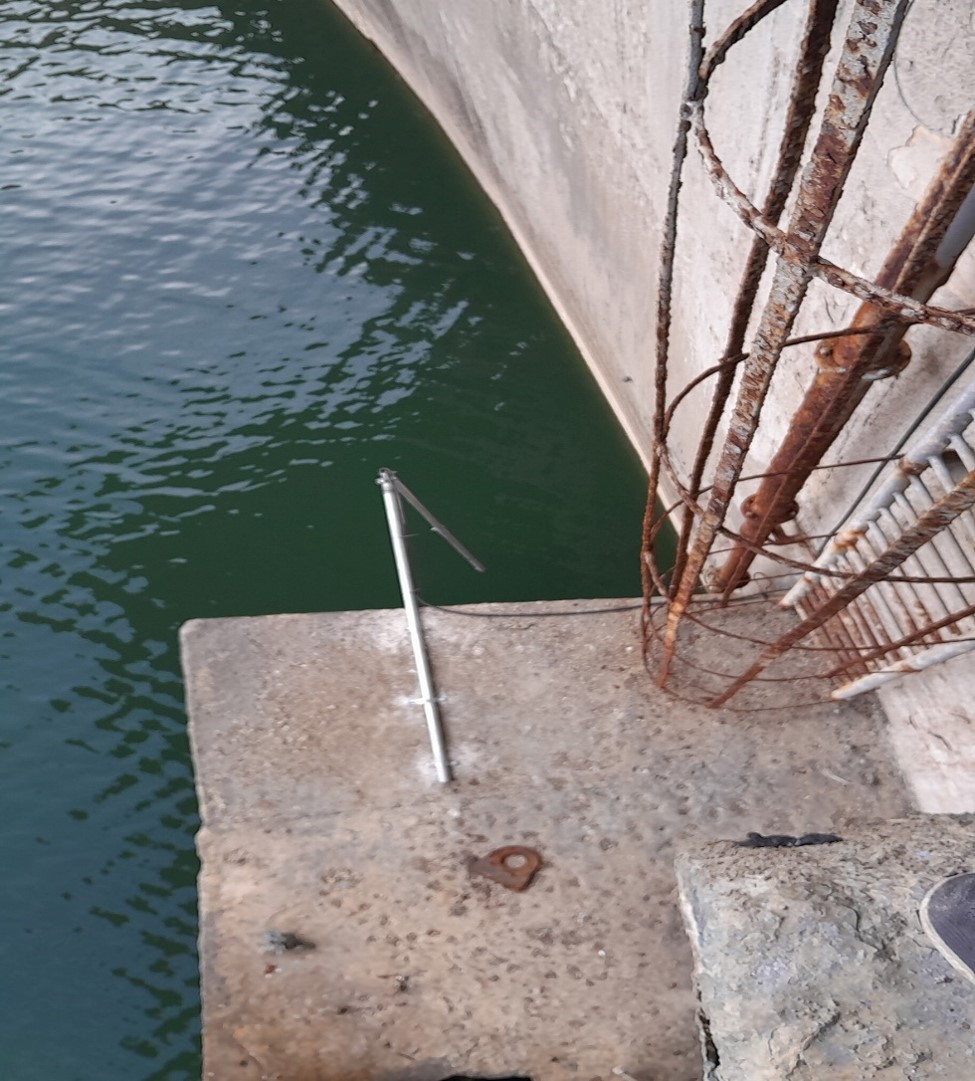
تصویر محل نصب دستگاه ترازیاب دیجیتال در مخزن سد سلمان فارسی
Installation of the digital level gauge device at the Salman Farsi Dam reservoir
← بازگشت به خانه
← Back to Home